
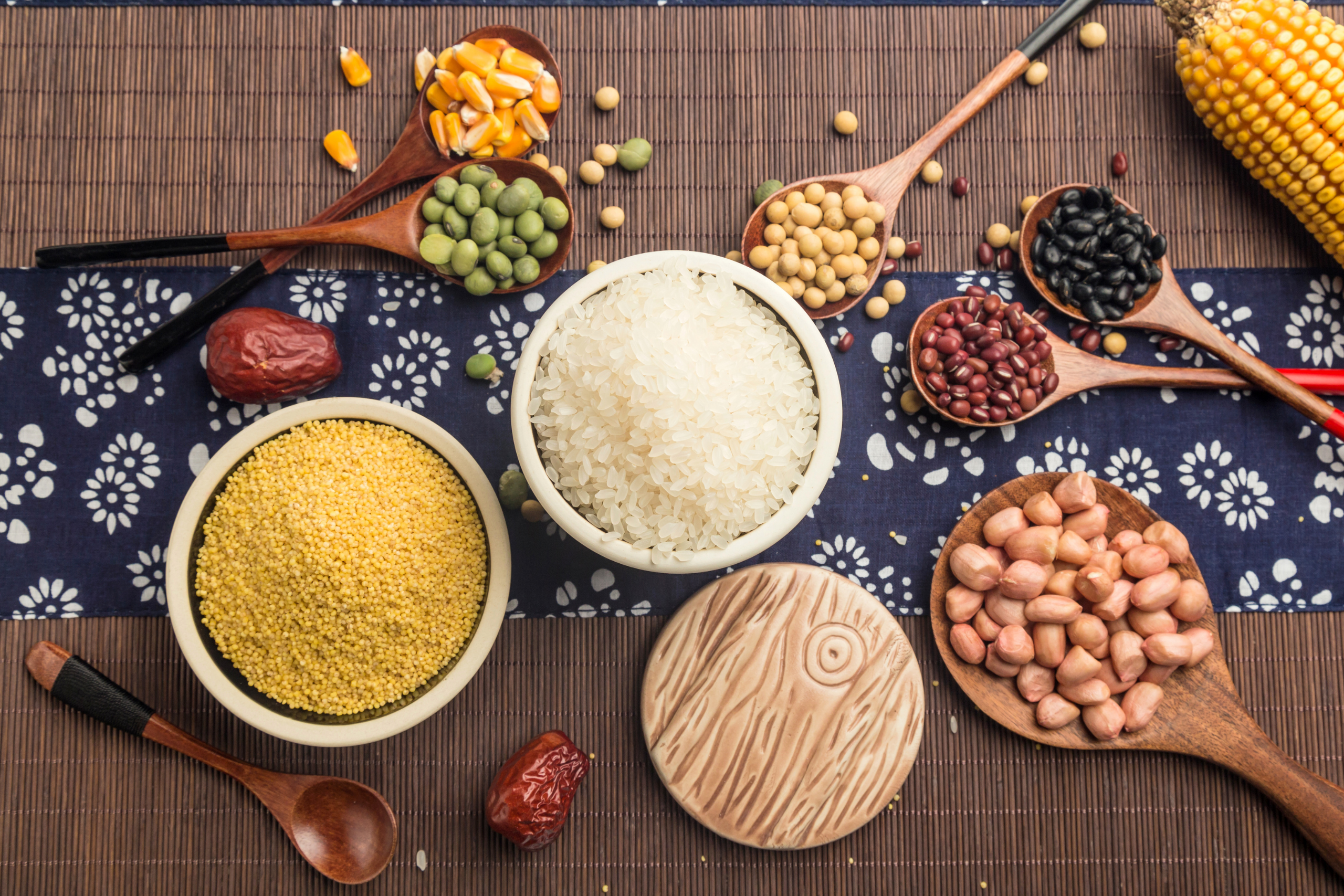
Eating a well-balanced diet is crucial during pregnancy, as your body needs extra nutrients to support your baby’s growth and development. Certain vitamins and minerals play a key role in ensuring a healthy pregnancy and reducing the risk of complications. In this article, we’ll explore the essential nutrients every expecting mother needs and the best food sources to include in your diet.
1. Folic Acid (Folate) – Prevents Birth Defects
Folic acid is one of the most important nutrients during pregnancy as it helps in brain and spinal cord development, reducing the risk of neural tube defects like spina bifida.
✔ Recommended Intake: 400-600 mcg per day
✔ Best Sources:
- Leafy greens (spinach, kale)
- Citrus fruits (oranges, lemons)
- Beans and lentils
- Fortified cereals and bread
2. Iron – Prevents Anemia and Supports Oxygen Flow
During pregnancy, your blood volume increases to supply oxygen to your baby. Iron helps prevent iron-deficiency anemia, which can cause fatigue and increase the risk of premature birth.
✔ Recommended Intake: 27 mg per day
✔ Best Sources:
- Lean meats (beef, chicken, turkey)
- Spinach and broccoli
- Beans and lentils
- Fortified cereals
💡 Tip: Consume vitamin C-rich foods (oranges, bell peppers) to help your body absorb iron more efficiently.
3. Calcium – Strengthens Baby’s Bones and Teeth
Calcium is essential for bone and teeth development in your baby. If you don’t get enough, your body will take calcium from your bones, which can lead to osteoporosis later in life.
✔ Recommended Intake: 1,000 mg per day
✔ Best Sources:
- Dairy products (milk, cheese, yogurt)
- Leafy greens (collard greens, bok choy)
- Almonds and sesame seeds
- Calcium-fortified plant-based milk
4. Protein – Supports Baby’s Growth
Protein is the building block of cells, tissues, and muscles, making it essential for your baby’s development. It also helps in the formation of placenta, uterus, and breast tissue during pregnancy.
✔ Recommended Intake: 70-100 g per day
✔ Best Sources:
- Eggs
- Fish (low in mercury, like salmon)
- Chicken and lean beef
- Nuts and legumes
5. Omega-3 Fatty Acids – Boosts Brain Development
Omega-3 fatty acids, particularly DHA, are important for your baby’s brain and eye development. They also help reduce the risk of preterm labor.
✔ Recommended Intake: 200-300 mg per day
✔ Best Sources:
- Fatty fish (salmon, sardines, mackerel)
- Chia seeds and flaxseeds
- Walnuts
- Omega-3 enriched eggs
6. Vitamin D – Strengthens Bones and Immune System
Vitamin D helps your body absorb calcium and supports the immune system of both mom and baby.
✔ Recommended Intake: 600 IU per day
✔ Best Sources:
- Sunlight (natural source)
- Fortified dairy products
- Fatty fish (tuna, salmon)
- Mushrooms
7. Fiber – Prevents Constipation
Many pregnant women experience constipation due to hormonal changes. Eating enough fiber ensures healthy digestion and prevents bloating.
✔ Recommended Intake: 25-30 g per day
✔ Best Sources:
- Whole grains (brown rice, oats, quinoa)
- Fruits (apples, pears, bananas)
- Vegetables (carrots, broccoli, cabbage)
- Legumes (chickpeas, beans, lentils)
Final Thoughts
Eating a nutrient-rich diet during pregnancy supports both your health and your baby’s development. Aim for a balanced mix of proteins, vitamins, and minerals to ensure a healthy and smooth pregnancy.
At Love Maternity Lesotho, we encourage expecting mothers to maintain good nutrition. Stay informed and make smart food choices for the best pregnancy experience!
🥑 Visit our store for maternity essentials and health tips! 🥑


