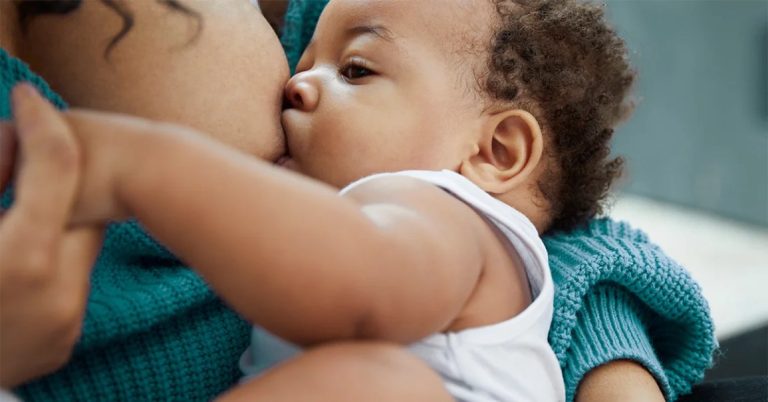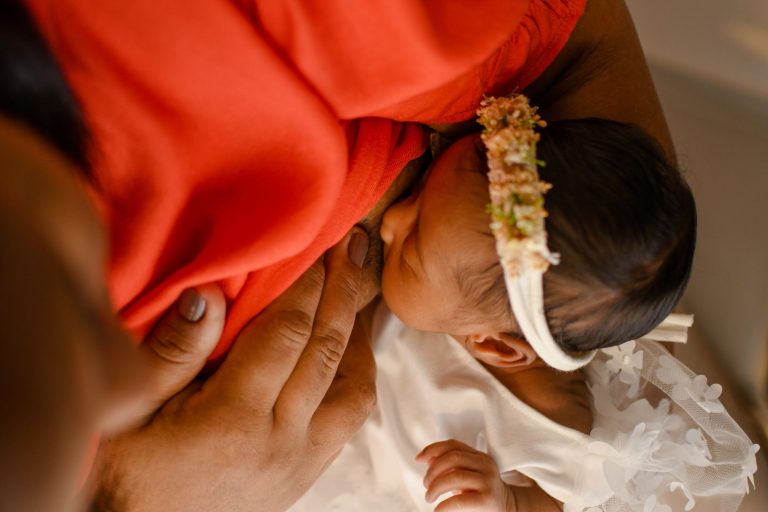
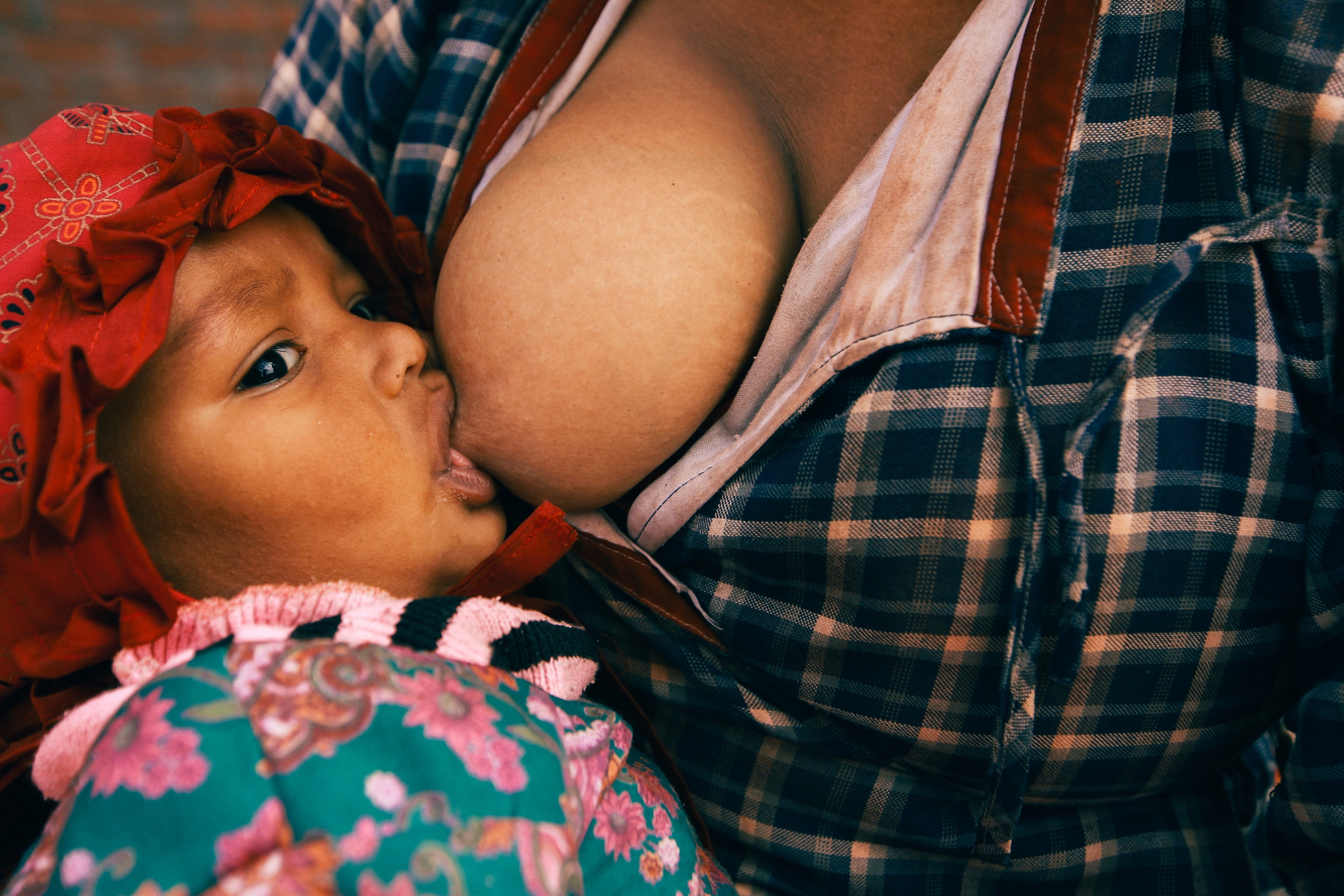
In every corner of Lesotho, from the bustling streets of Maseru to the quiet villages tucked between the mountains, mothers face one of the most important decisions for their newborns: how to feed them. While formula and bottles may seem like modern conveniences, the truth is that breastfeeding remains the safest, healthiest, and most affordable option, especially in our country.
Why Breast is Best
- Breast milk is often called “liquid gold,” and for good reason. It is packed with everything a baby needs to grow strong and healthy.
- Protection from illness: Breastfed babies are less likely to suffer from pneumonia, diarrhoea, and other common childhood diseases that sadly remain major threats in Lesotho.
- Brain development: The nutrients in breast milk boost a baby’s brain power, setting them up for better learning and growth in school.
- Bonding: Breastfeeding is more than food; it builds a deep emotional connection between mother and child.
And the benefits do not stop with the baby. For mothers, breastfeeding lowers the risk of breast and ovarian cancer, helps the body recover after birth, and provides a sense of closeness that bottle feeding cannot fully replace.
The Risks of Bottle Feeding in Lesotho
While bottle feeding may look easier, it comes with hidden dangers in our local context.
- Water and hygiene challenges: Not all families have access to clean, safe water. Mixing formula with unsafe water can expose babies to deadly infections.
- High costs: Formula is expensive. Many families struggle to afford enough, leading to dangerous practices like diluting it too much, which can cause malnutrition.
- Preparation difficulties: Sterilizing bottles requires boiling water and consistent hygiene, something not always possible in rural homes.
For many families, bottle feeding is not just inconvenient; it can put a baby’s life at risk.
Culture, Tradition, and Support
In Lesotho, mothers are often influenced by grandmothers, neighbours, or community traditions about when and how to feed a baby. Some families introduce porridge or cow’s milk far too early, without realizing the harm it can cause.
That is why support is so important. Health clinics, community groups, and family members must work together to encourage exclusive breastfeeding for the first six months of life, followed by continued breastfeeding alongside nutritious foods up to two years and beyond.
A Smart Choice for Families and the Nation
Breastfeeding is more than a personal choice; it is an investment in our country’s future. Healthier children mean fewer hospital visits, lower healthcare costs, and stronger communities. At a household level, breastfeeding saves money, reduces stress, and gives babies the best possible start in life.
The Call to Action
Every mother deserves the chance to give her child the best start. As communities, we must:
- Support young mothers to breastfeed confidently.
- Encourage workplaces to provide time and space for breastfeeding.
- Challenge harmful myths that discourage breastfeeding.
Breastfeeding is not just food; it is love, protection, and hope for the future of Lesotho.
To every mother: your milk is powerful. By choosing to breastfeed, you are giving your child a gift that can never be replaced.