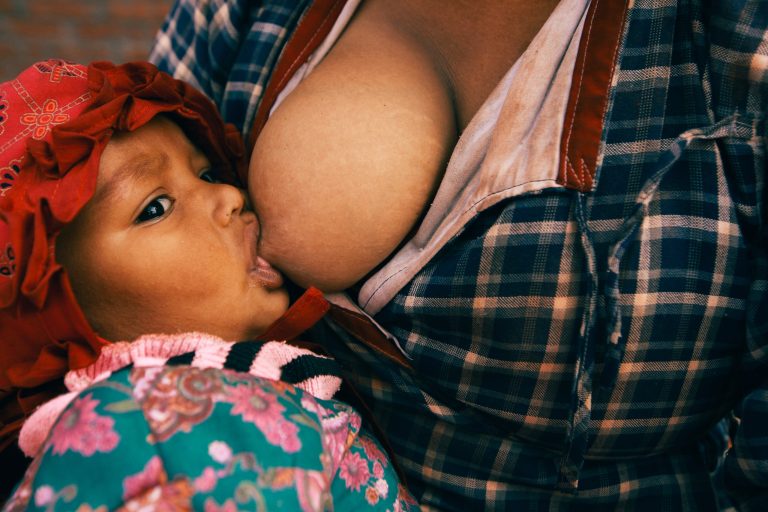
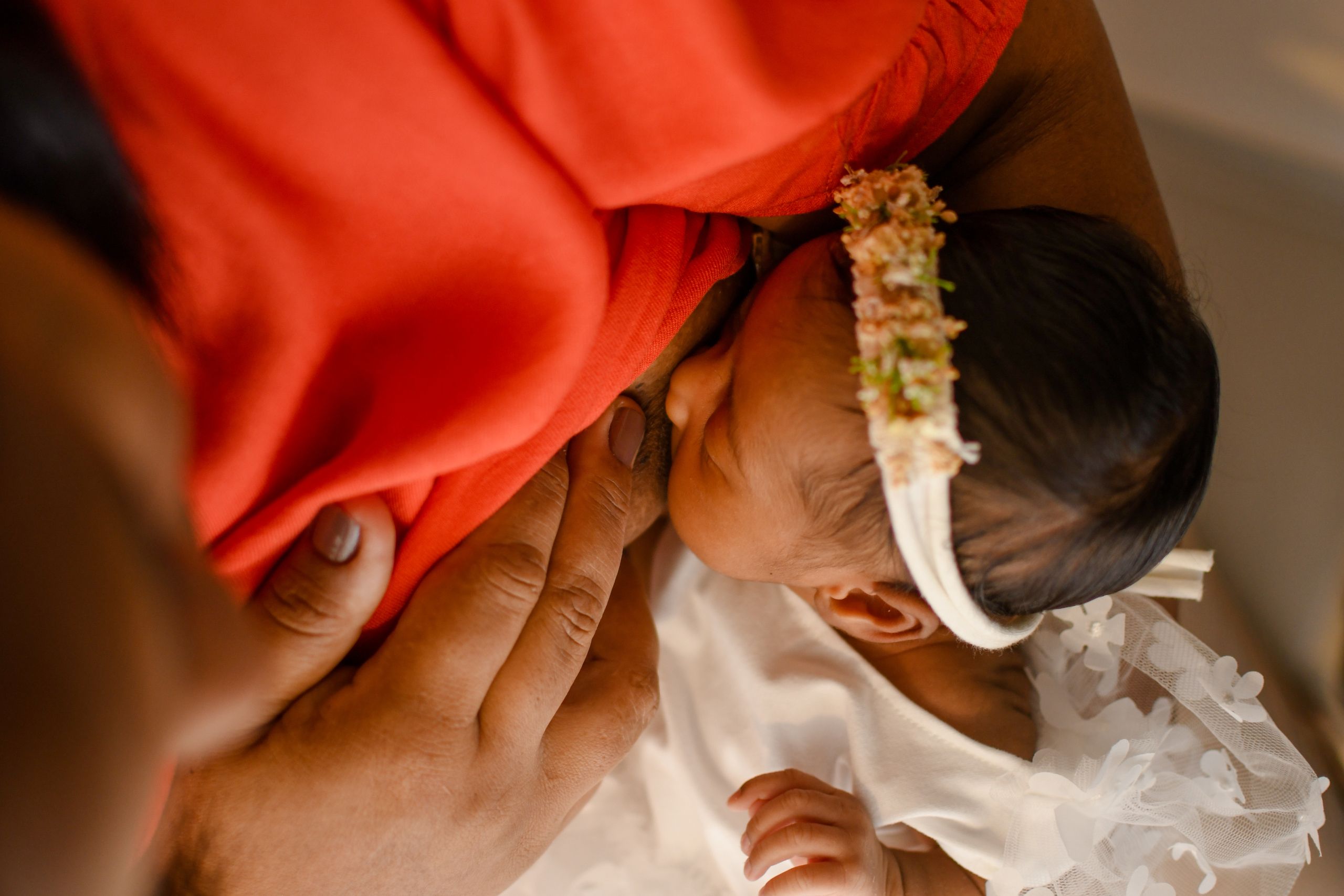
Breastfeeding is one of the most natural ways to nourish a baby, but that does not mean it always comes easily. Many mothers experience challenges during the first few days or weeks after giving birth. The good news is that most breastfeeding problems can be overcome with the right support, patience, and information.
If you are struggling, know that you are not alone and every breastfeeding journey is unique.
Sore or Cracked Nipples
One of the most common concerns for new mothers is sore nipples. While some tenderness is normal in the beginning, severe pain is usually a sign that your baby is not latching properly.
What can help?
- Make sure your baby takes a large portion of the areola into their mouth, not just the nipple.
- Break the suction gently before removing your baby from the breast.
- Allow your nipples to air dry after feeds.
- Apply a few drops of breast milk to your nipples, as it has natural healing properties.
If the pain continues, seek help from a healthcare professional.
Low Milk Supply
Many mothers worry that they are not producing enough milk. In reality, most women make enough milk for their baby.
Signs your baby is getting enough milk include:
- At least 6 wet nappies each day after the first week.
- Steady weight gain.
- Your baby appears satisfied after feeding.
Ways to encourage milk production
- Breastfeed often—8 to 12 times every 24 hours.
- Offer both breasts during feeds.
- Stay hydrated.
- Eat a balanced diet.
- Rest whenever possible.
Remember, milk production works on supply and demand. The more your baby feeds, the more milk your body is encouraged to produce.
Engorgement
Your breasts may become overly full, swollen, and uncomfortable when your milk first comes in.
To ease discomfort:
- Feed your baby frequently.
- Express a small amount of milk before feeding if your breasts are very firm.
- Apply warm compresses before feeding.
- Use cool compresses afterwards to reduce swelling.
Blocked Milk Ducts
A blocked milk duct may feel like a tender lump in your breast.
To help clear it:
- Continue breastfeeding.
- Start feeds on the affected side.
- Massage the area gently while feeding.
- Apply warmth such as a wet, warm, clean cloth to your breast before feeding.
If redness, fever, or severe pain develops, seek medical attention, as this might be mastitis.
Breastfeeding in Public
Many mothers feel nervous about breastfeeding outside the home.
Remember:
Breastfeeding is a normal and healthy way to feed your baby. Wearing breastfeeding-friendly clothing or using a nursing cover can help you feel more comfortable if you choose.
With time, confidence usually grows.
Returning to Work
Returning to work doesn’t always mean you have to stop breastfeeding.
Many mothers successfully continue by:
- Expressing milk during work breaks.
- Storing breast milk safely.
- Breastfeeding before leaving home and again after returning.
- Planning ahead can make the transition much easier.
Every Mother’s Journey Is Different
Some mothers breastfeed for months, while others may face medical or personal challenges that make breastfeeding difficult. What is most important is that mothers feel supported rather than different
If breastfeeding is not going as planned, ask for help early. Family members, healthcare workers, and support groups can make a huge impact in improving breastfeeding.
Love Maternity Lesotho Is Here to Support You
At Love Maternity Lesotho, we believe every mother deserves encouragement, practical advice, and quality products that make motherhood a little easier.
Whether you are expecting your first baby or growing your family, we are here to support your journey every step of the way.
Explore our maternity and nursing collection, and follow our blog for more parenting tips and advice.
Motherhood is a journey, and you don’t have to walk it alone.