
As parents and caregivers, we do everything we can to keep our children safe. We baby-proof our homes, hold their hands when crossing the road, and do our best to protect them from harm. Yet emergencies can happen when we least expect them.
A choking incident during dinner. A fall while playing. A sudden illness in the middle of the night.
In those moments, panic is often our first reaction. But having a plan before an emergency happens can make all the difference.
Why Emergency Planning Matters
When a child is hurt or unwell, every second feels important. Stress and fear can make it difficult to think clearly, which is why preparing in advance is one of the most valuable things a family can do.
An emergency plan helps caregivers respond quickly, communicate effectively, and ensure that a child receives the care they need as soon as possible.
The goal is not to expect the worst, but to be prepared for the unexpected.
Do You Have Emergency Contacts Ready?
Every household should keep important emergency numbers visible and easily accessible. These may include local clinics, hospitals, ambulance services, family doctors, and trusted family members.
Assign Roles Before an Emergency Happens
Families should discuss who will call emergency services, administer first aid, comfort the child, and gather important medical information.
Create Safe Spaces
Every home should have an area where children can be safely moved during an emergency.
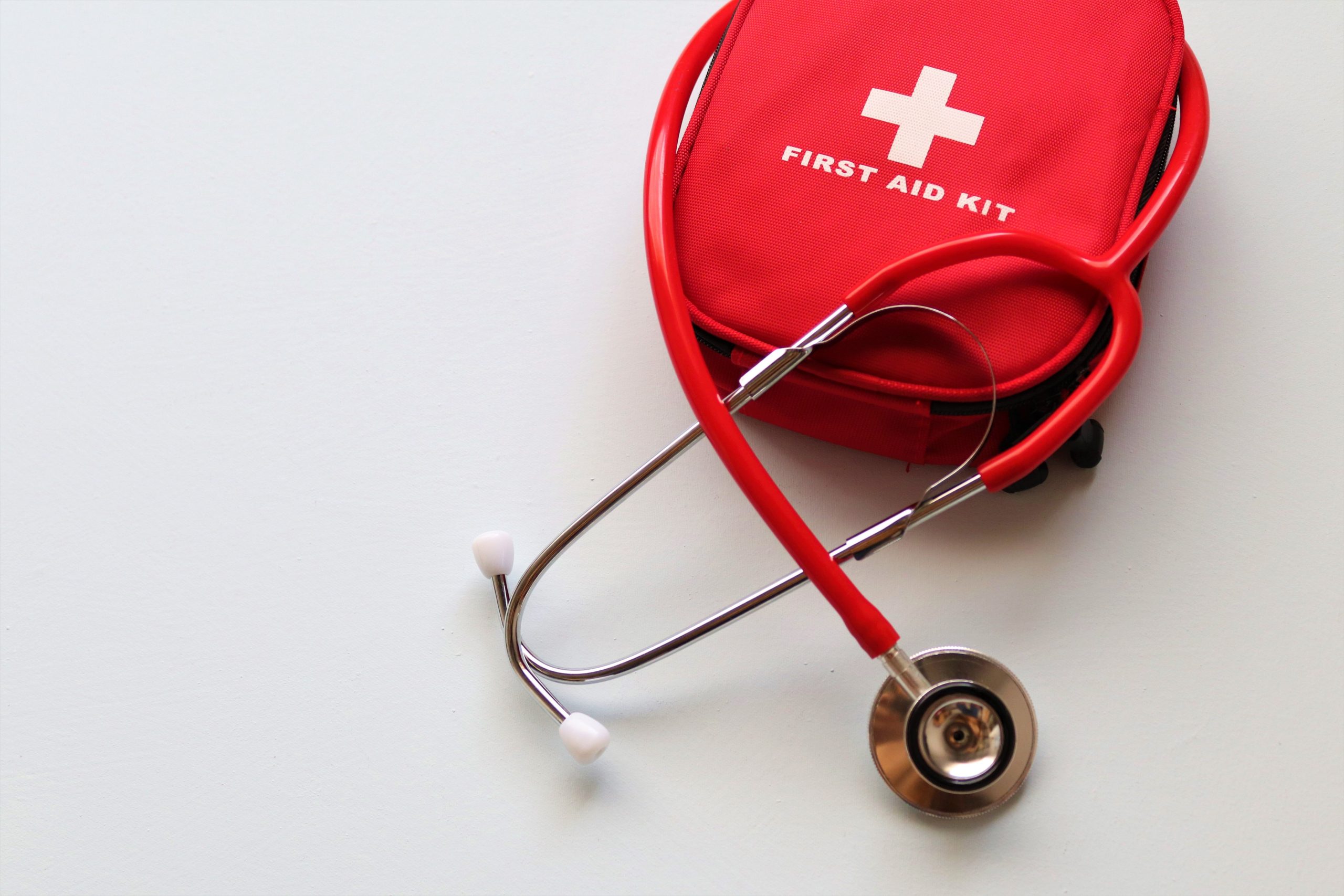
Is Your First Aid Kit Ready?
A basic first aid kit should contain adhesive bandages, sterile gauze, antiseptic wipes, medical gloves, a thermometer, scissors, and emergency contact information.
Why Every Caregiver Should Learn Basic First Aid
Grandparents, babysitters, teachers, and other family members all play a role in keeping children safe. Basic paediatric first aid knowledge can help caregivers respond confidently during emergencies while professional help is on the way.
Small Preparations Can Make a Big Difference
By keeping emergency contacts accessible, creating a family emergency plan, maintaining a first aid kit, and learning basic first aid skills, families can respond with greater confidence when unexpected situations arise.
At Love Maternity Lesotho, we believe that child safety begins with knowledge and preparation.
Stay tuned for the next article in our ABCs of Paediatric Safety series, where we’ll explore what every parent should have in a child-friendly first aid kit.