Postnatal depression affects 1 in 10 mothers — yet most pregnancy conversations focus on the body and barely mention the mind. Pregnancy is a journey of joy and anticipation, but it can also bring real emotional struggle. Caring for your wellbeing before, during and after birth matters as much as any prenatal vitamin.
A note on safety
If you are ever having thoughts of harming yourself, please contact your midwife or doctor immediately. You don’t have to wait until things feel unbearable to ask for help.
Before Birth: Building Emotional Strength
Have a simple wellbeing plan: a few trusted people you can call when things feel heavy, one or two things that help you calm down — deep breathing, music, journaling, a short walk — and a small daily ritual that’s just for you. Think of it as your personal pregnancy toolkit, ready before you need it.
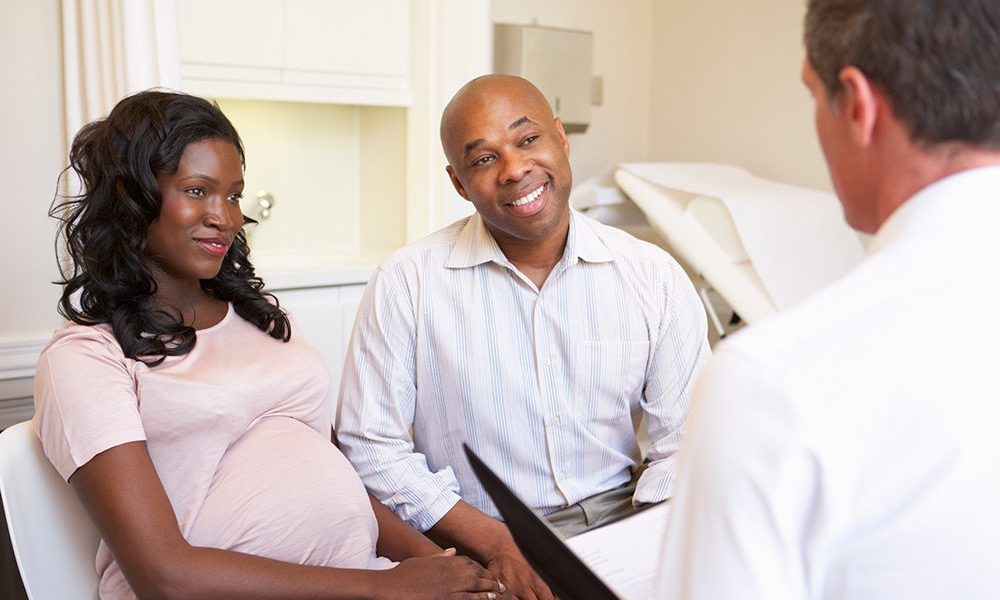
Antenatal visits are about more than breathing techniques for labour — they’re where you meet other mothers navigating the same ups and downs, and hearing “me too” can be more reassuring than any article. Research links antenatal education and peer support to lower anxiety and greater confidence going into birth.
Give your mind the same care your body is getting. Try the 4-7-8 breath (in for 4, hold for 7, out for 8), a few minutes of prayer or quiet reflection, or gentle stretching — all shown to ease stress and improve sleep. A short journal entry — one gratitude, one worry, one hope each day — helps you process the big feelings pregnancy brings, and gives you something to look back on.
Share how you’re feeling — with your partner, your family, your care provider. Bottling it up tends to make things feel heavier, not lighter. And be kind to yourself in the words you use: “I am strong. My body is capable.” Said often enough, they start to feel true.
💛 Emotional wellbeing is like your prenatal vitamins — you wouldn’t skip them, so don’t skip this either.
If you’d like support building your own wellbeing plan, Love Maternity’s online sessions are a good place to start — details at the end of this post.
During Birth: Feeling Safe in Labour
Your birth plan can include emotional needs, not just medical ones — what helps you feel safe, and who you want beside you. Practise your breathing beforehand so it feels familiar when it matters. If prayer or scripture brings you comfort, build it into your plan and let your support team know.
Don’t hesitate to ask for reassurance, a change in environment, or pain relief — your care team is there for exactly that. Small things like eye contact, a held hand, or hearing “you’re doing great” measurably lower stress hormones. Women who feel emotionally safe during labour report less anxiety and better outcomes for both mother and baby — emotional safety matters as much as physical safety.
💛 Think of your birth team as your cheer squad — their job is to keep you calm, confident and cared for.
After Birth: Recovery and Adjustment
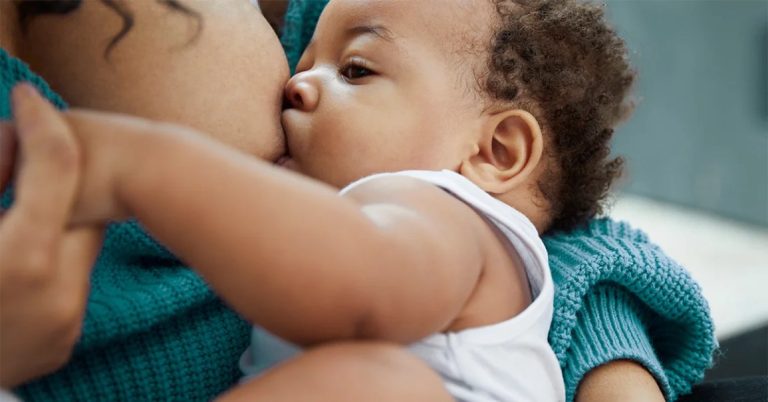
Rest when you can, and let others help with meals or laundry — accepting help is a strength, not a weakness. Join a support group, in person or online, so you have somewhere to ask questions and feel less alone. Nourishing food and short walks aid recovery as much as they lift your mood.
It’s normal to feel joy and exhaustion in the same hour. Many new mothers say “I love my baby, but I am overwhelmed” — that’s not a failure, it’s just true. If low mood, anxiety or loss of interest lasts more than two weeks, talk to your midwife or doctor. Postnatal depression affects 1 in 10 mothers, and early support — including therapy like CBT — is highly effective.
💛 Postpartum emotions are like weather — sunny days, cloudy days, storms. None of them last forever, and support is your umbrella.
Crisis Care & Bereavement
For families facing miscarriage, stillbirth or neonatal loss, Love Maternity Lesotho offers counselling and peer support, including moderated online groups where grief can be shared safely. Journaling, prayer, or a small act of remembrance can help you hold space for your grief; professional counselling can help you heal at your own pace.
Healing doesn’t mean forgetting — it means finding ways to carry your baby’s memory with love.
Whatever stage of this journey you’re in, you don’t have to carry it alone. Emotional wellbeing is not a side note to pregnancy — it’s part of the care you and your baby deserve.
📞 Book your online session today with Love Maternity
A safe space to share, learn and heal — together.